
Best Paper Stock For Brochures
Best Paper Stock For Brochures - Like business cards, brochures and sales sheets are handled by customers so they must look and feel amazing to make the best. Papers are either coated or uncoated. For example, business cards and brochures often require thicker,. Everything you need to know to choose paper for your printed brochure. They can have coated or uncoated finishes. Uncoated paper feels more natural,. Whether you’re crafting elegant wedding invitations or bold marketing brochures, the right paper stock can elevate your project from ordinary to exceptional. This is because we take pricing as well as performance seriously. Learn which paper weight to choose and whether a gloss, matte or uncoated paper is the best choice. It doesn't fold so well as the lighter papers, so a. Coated paper, whether glossy or matte, features a smooth surface that enhances sharpness and makes colors appear more vibrant. Overall, if the brochure is meant for personal use, you should probably stick with paper stock. Coated paper is best for projects like magazines, brochures, catalogs, photographs, and marketing materials where a sleek or glossy appearance is desirable. A complete guide on how to choose the best paper for brochures. Text stocks are regular paper and cover stocks are like thin cardboard. This weight offers the right balance of rigidity and thickness. Papers are either coated or uncoated. For example, business cards and brochures often require thicker,. This is because we take pricing as well as performance seriously. Choosing the best paper stock depends on factors such as the intended use, desired look, and budget. They can have coated or uncoated finishes. In most cases, the conquest preferred paper, or the paper options listed on our product pages, is the best option for your project. Coated paper is best for projects like magazines, brochures, catalogs, photographs, and marketing materials where a sleek or glossy appearance is desirable. Like business cards, brochures and sales sheets are. Like business cards, brochures and sales sheets are handled by customers so they must look and feel amazing to make the best. Papers are either coated or uncoated. In most cases, the conquest preferred paper, or the paper options listed on our product pages, is the best option for your project. Read on to determine what paper, weight, and finish. If you’re making brochures for. These paper types are best for publication covers, business cards, greeting cards, folders, and postcards. Choosing the best paper stock depends on factors such as the intended use, desired look, and budget. At jam paper, three popular paper sizes are perfect for brochure creation: Choosing the best paper for printing brochures depends on your specific. The benefit of paper stocks is that they are lighter to carry, easier to fold, inexpensive, and. These paper types are best for publication covers, business cards, greeting cards, folders, and postcards. If you’re wondering about the best type of paper for brochures, the easy answer is that most brochures will look and feel good when they’re printed on 100. Glossy paper stock is a popular choice for printing flyers and vibrant color documents. Cover paper is more like a thin card stock, so it's strong and enduring. Whether you opt for glossy,. At jam paper, three popular paper sizes are perfect for brochure creation: Whether you’re crafting elegant wedding invitations or bold marketing brochures, the right paper stock can. It doesn't fold so well as the lighter papers, so a. Coated paper, whether glossy or matte, features a smooth surface that enhances sharpness and makes colors appear more vibrant. Here are some tips for choosing the best paper for a brochure: If you’re making brochures for. The benefit of paper stocks is that they are lighter to carry, easier. Each of these sizes offers different benefits and constraints, making it. Whether you’re crafting elegant wedding invitations or bold marketing brochures, the right paper stock can elevate your project from ordinary to exceptional. Here are some tips for choosing the best paper for a brochure: Best brochure and sales sheet paper stocks. Choosing the best paper stock depends on factors. Whether you opt for glossy,. It has a shiny finish that enhances the sharpness and depth of colors, making. Choosing the best paper for printing brochures depends on your specific needs, including the brochure's purpose, desired aesthetics, and budget. But how do you navigate the. Coated paper is best for projects like magazines, brochures, catalogs, photographs, and marketing materials where. Text stocks are regular paper and cover stocks are like thin cardboard. Everything you need to know to choose paper for your printed brochure. If you’re making brochures for. Each of these sizes offers different benefits and constraints, making it. Which brochure paper option should you choose? Uncoated paper feels more natural,. Learn which paper weight to choose and whether a gloss, matte or uncoated paper is the best choice. Best brochure and sales sheet paper stocks. Everything you need to know to choose paper for your printed brochure. Read on to determine what paper, weight, and finish are best for you! Coated paper, whether glossy or matte, features a smooth surface that enhances sharpness and makes colors appear more vibrant. For example, business cards and brochures often require thicker,. They can have coated or uncoated finishes. Learn which paper weight to choose and whether a gloss, matte or uncoated paper is the best choice. Uncoated paper feels more natural,. If you’re wondering about the best type of paper for brochures, the easy answer is that most brochures will look and feel good when they’re printed on 100 lb silk text. This weight offers the right balance of rigidity and thickness. It has a shiny finish that enhances the sharpness and depth of colors, making. In most cases, the conquest preferred paper, or the paper options listed on our product pages, is the best option for your project. Choosing the best paper for printing brochures depends on your specific needs, including the brochure's purpose, desired aesthetics, and budget. A complete guide on how to choose the best paper for brochures. The benefit of paper stocks is that they are lighter to carry, easier to fold, inexpensive, and. Overall, if the brochure is meant for personal use, you should probably stick with paper stock. Read on to determine what paper, weight, and finish are best for you! Heavier paper is more rigid, helping. Coated paper is best for projects like magazines, brochures, catalogs, photographs, and marketing materials where a sleek or glossy appearance is desirable.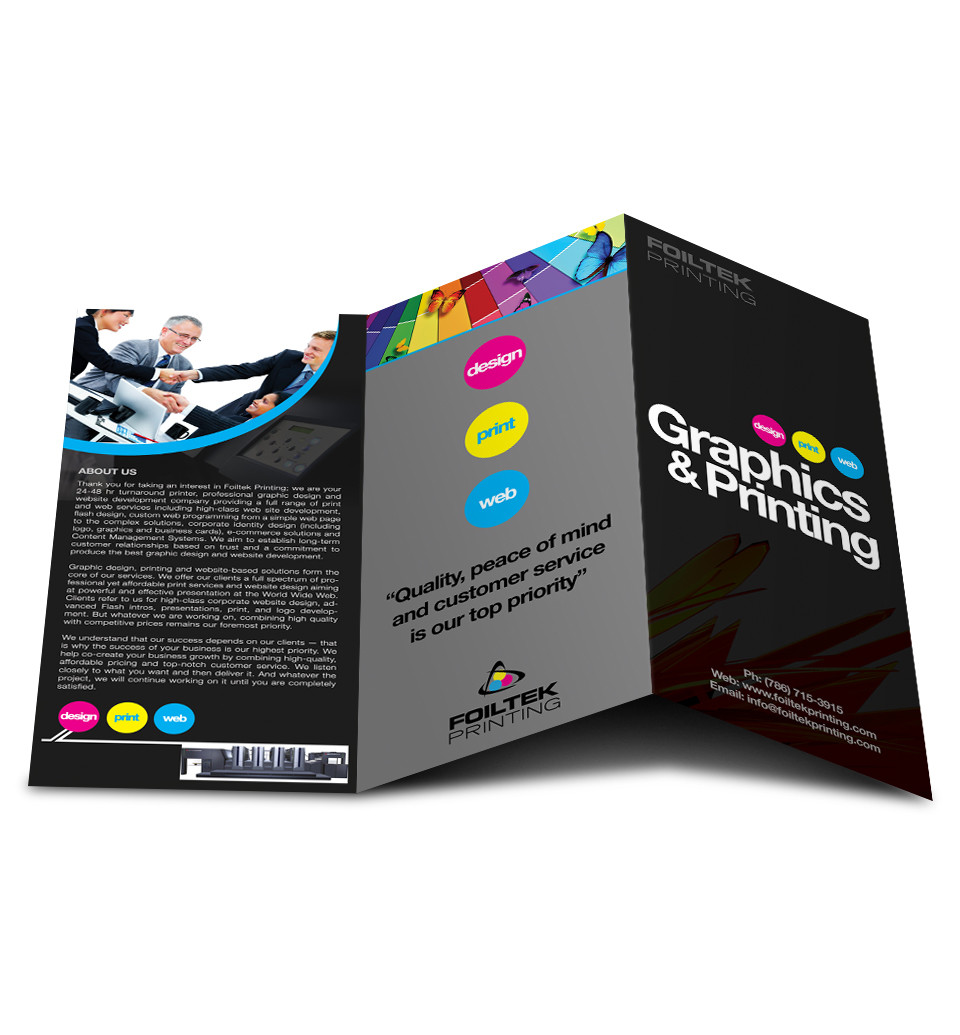
Tri Fold Brochures Full Color Brochures Cheap Brochure Printing
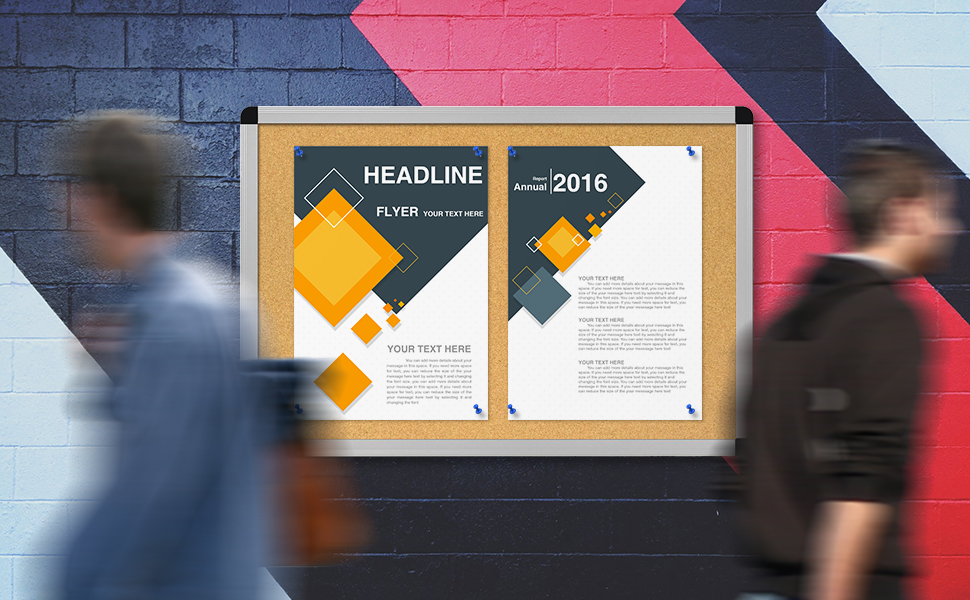
Best Paper For Flyers and Brochures Fine Cardstock
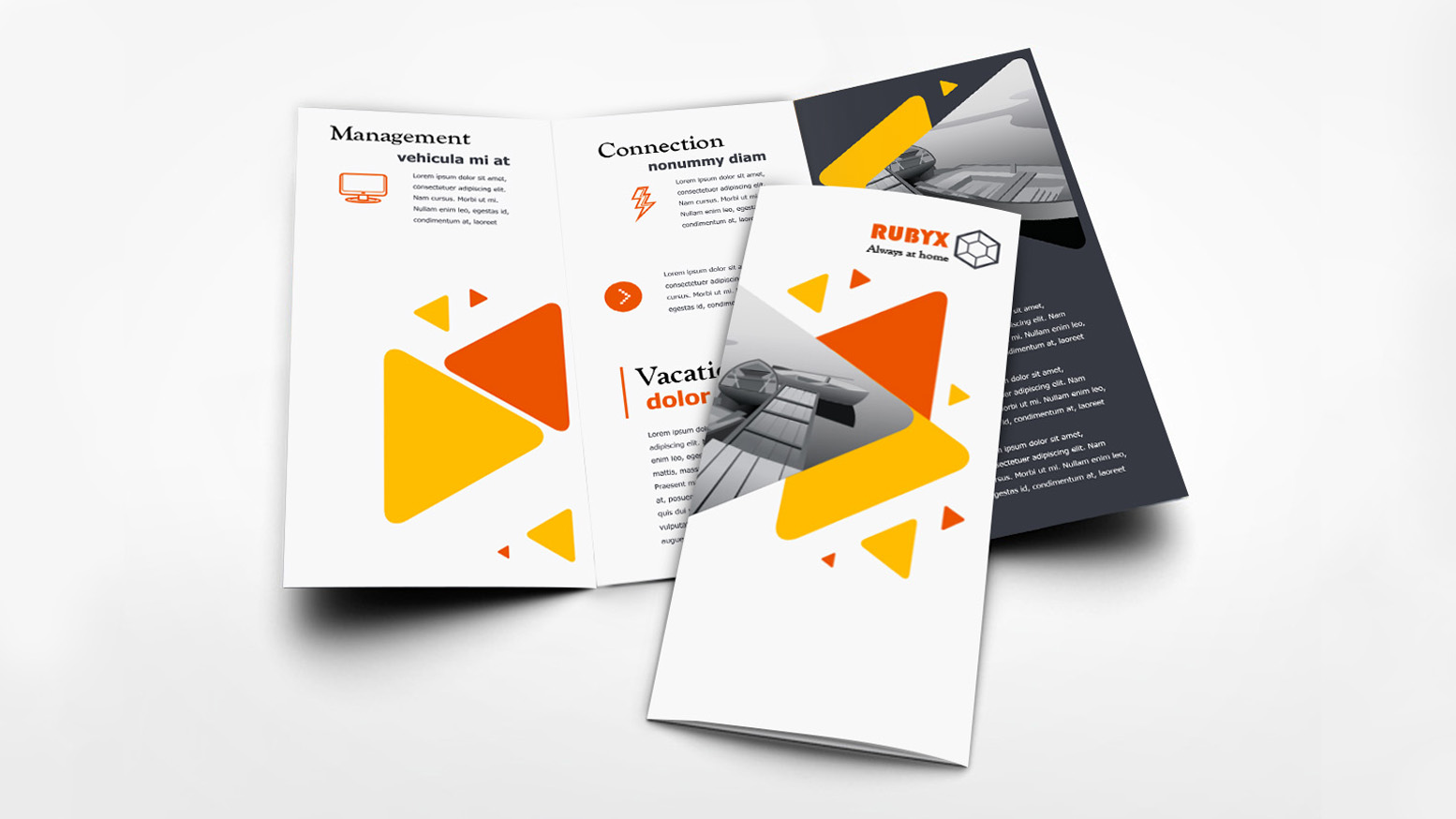
The Ultimate Brochure Paper Guide Confusing Terms Explained
How to Choose the Best Paper for Brochures Paper Folder Pro
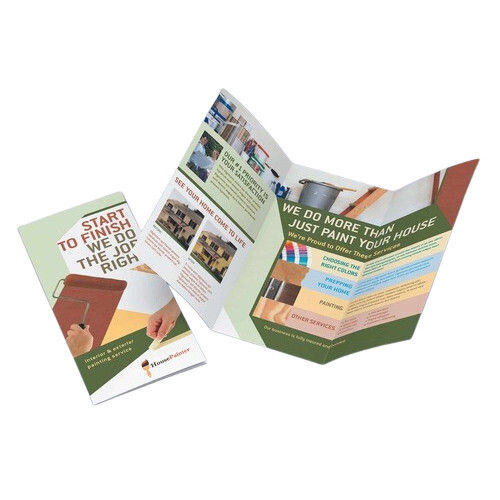
Brochure Printing Services Highquality Paper Stocks, Various Sizes

PPD 100 hojas de papel brillante para folleto y folleto de
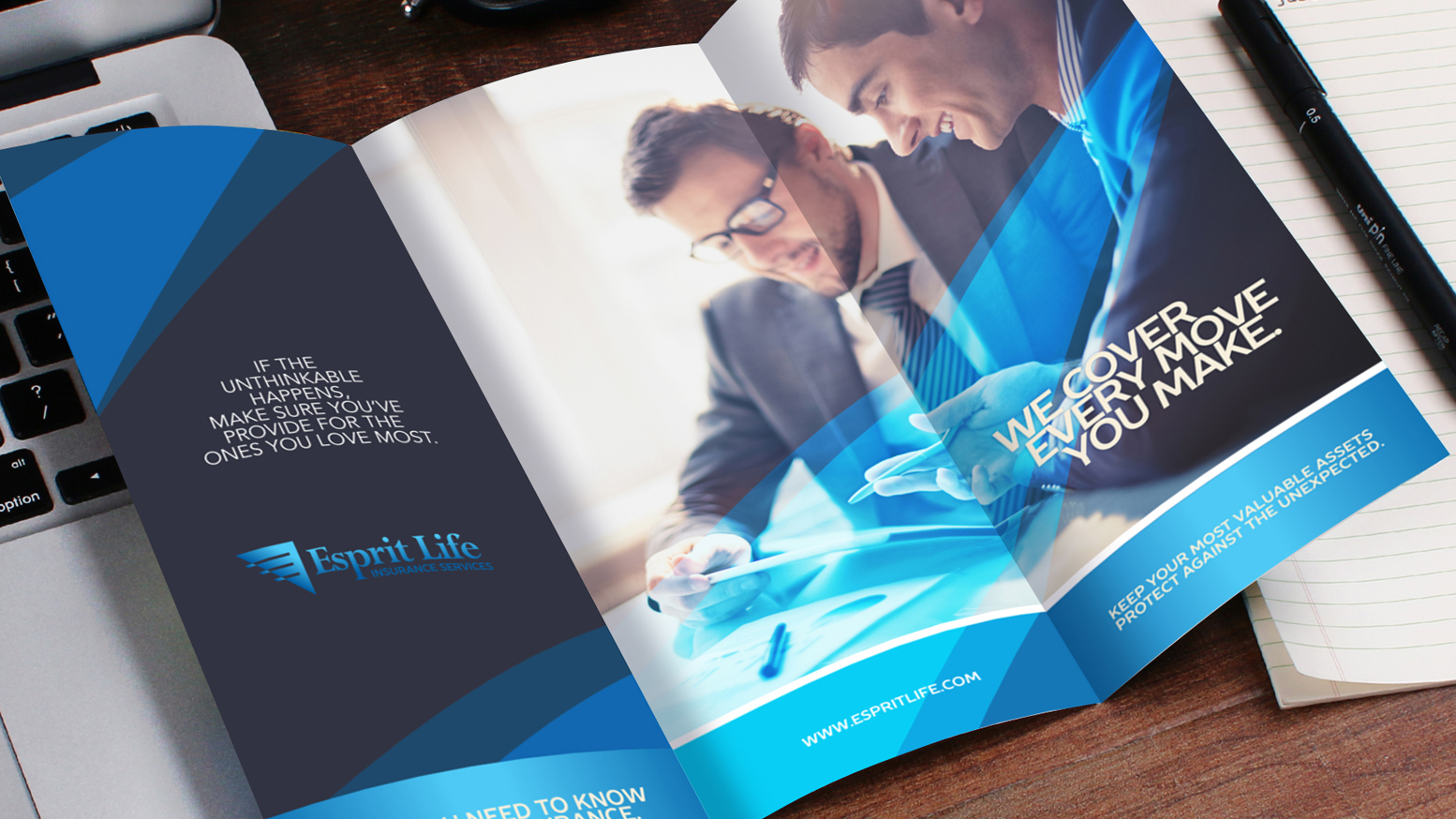
The Ultimate Brochure Paper Guide Confusing Terms Explained
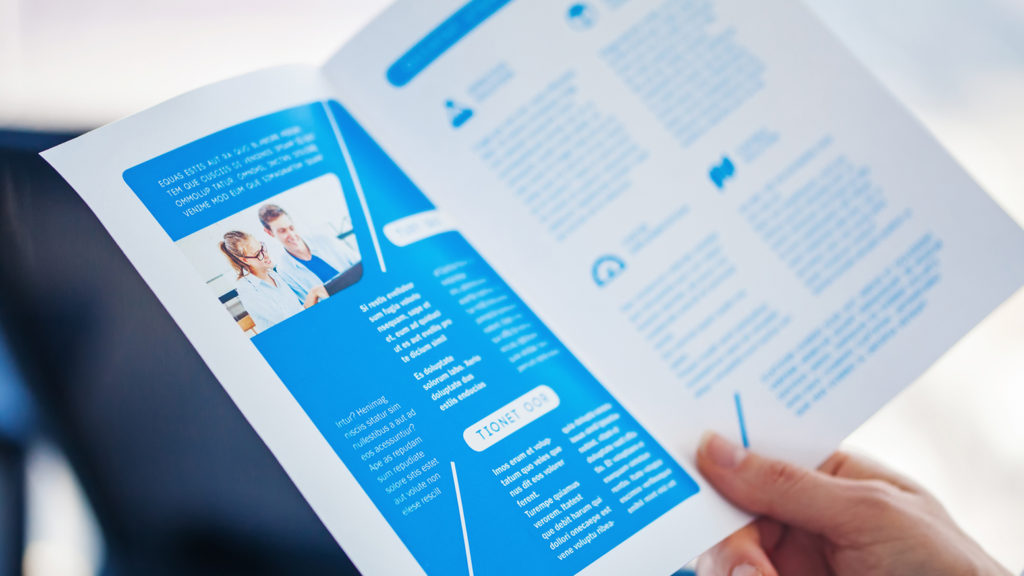
The Ultimate Brochure Paper Guide Confusing Terms Explained
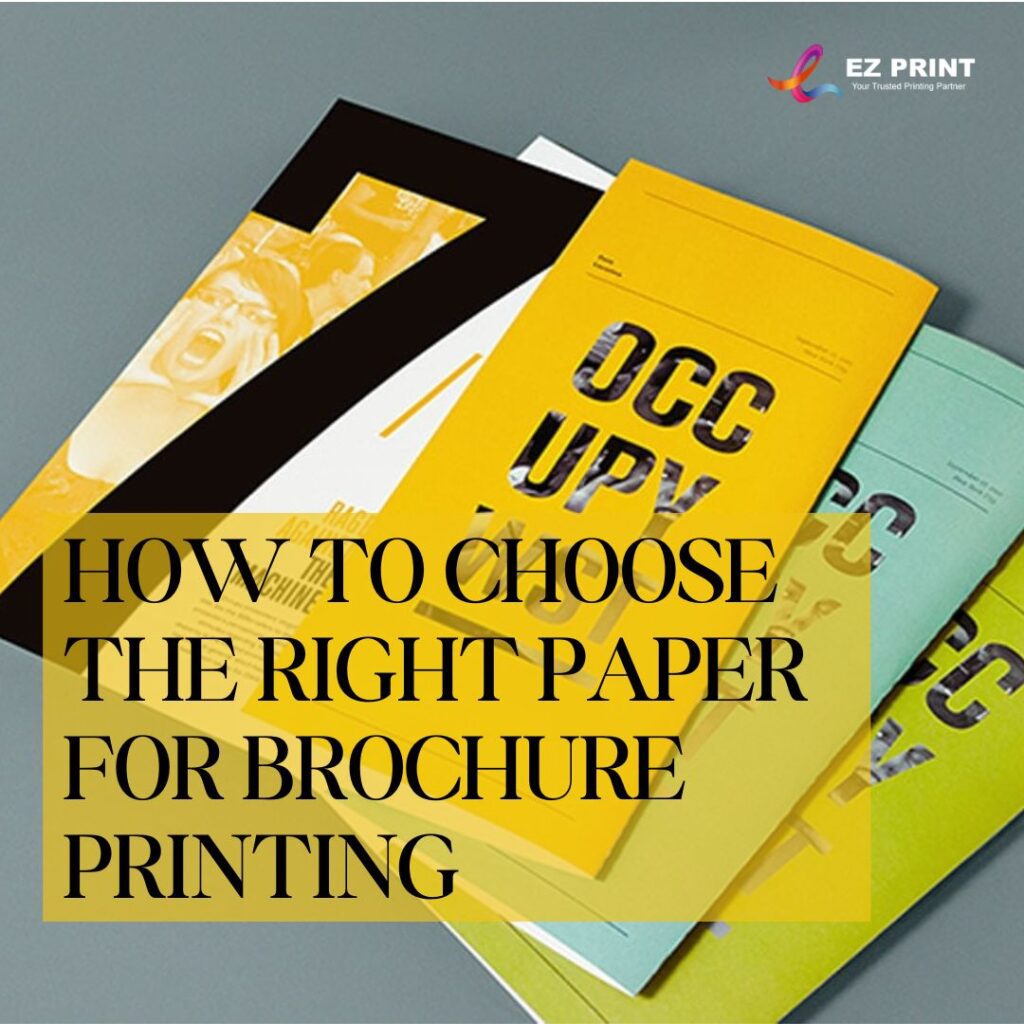
How to Choose the Right Paper for Brochure Printing EZ Print

What Is The Best Type Of Paper For Brochure Printing
Text Stocks Are Regular Paper And Cover Stocks Are Like Thin Cardboard.
Glossy Paper Stock Is A Popular Choice For Printing Flyers And Vibrant Color Documents.
Best Brochure And Sales Sheet Paper Stocks.
Like Business Cards, Brochures And Sales Sheets Are Handled By Customers So They Must Look And Feel Amazing To Make The Best.
Related Post: