
Psoriasis Brochure
Psoriasis Brochure - Up to 90% of patients with psoriasis have psoriasis vulgaris or plaque psoriasis, which is characterized by. Psoriasis affects about 1 in 50 people. This causes inflammation and speeds up the growth of new skin cells,. Plaque psoriasis is a condition in which your skin becomes inflamed and scaly. Psoriasis is a common chronic in˜ammatory skin condition that involves red elevated patches and ˜aking silvery scales. Your doctor will ask you questions about your health and. There are a few different types of psoriasis. Psoriasis, categorized as a noncommunicable disease (ncd), is a chronic, painful, disfiguring and disabling disease for which there is no cure. Comorbidities associated with psoriasis include psoriatic arthritis (psa), cardiovascular. • ask your doctor what type you have. Psoriasis is an ‘autoimmune’ condition in which the immune system causes the epidermis (outermost layer of skin) to grow much faster than normal. It may occur at any age from. Psoriasis is a chronic inflammatory disease that affects multiple systems of the body, not just the skin. In healthy skin, the cells within the. Catch up on the latest treatment options and how to give your patients the care they need by requesting npf's psoriasis and psoriatic arthritis pocket guide. Comorbidities associated with psoriasis include psoriatic arthritis (psa), cardiovascular. Find expert medical advice about psoriasis, which covers everything from whether psoriasis is contagious and what causes it to treatment options and skin care. There are a few different types of psoriasis. Up to 90% of patients with psoriasis have psoriasis vulgaris or plaque psoriasis, which is characterized by. Psoriasis, categorized as a noncommunicable disease (ncd), is a chronic, painful, disfiguring and disabling disease for which there is no cure. Up to 90% of patients with psoriasis have psoriasis vulgaris or plaque psoriasis, which is characterized by. Biologic treatmentmechanism of actioninfo for hcpssafety & prescribing info Comorbidities associated with psoriasis include psoriatic arthritis (psa), cardiovascular. Psoriasis is an ‘autoimmune’ condition in which the immune system causes the epidermis (outermost layer of skin) to grow much faster than normal. Research shows. It negatively impacts on patients’ quality of life. It causes swelling and red patches on the skin. Psoriasis is a chronic inflammatory disease that affects multiple systems of the body, not just the skin. Made in the usaclinically provenno results, no paymentrecommended by doctors It can take on several di˚erent forms and. Comorbidities associated with psoriasis include psoriatic arthritis (psa), cardiovascular. This causes inflammation and speeds up the growth of new skin cells,. Up to 90% of patients with psoriasis have psoriasis vulgaris or plaque psoriasis, which is characterized by. Psoriasis is a common chronic in˜ammatory skin condition that involves red elevated patches and ˜aking silvery scales. It may occur at any. Psoriasis, categorized as a noncommunicable disease (ncd), is a chronic, painful, disfiguring and disabling disease for which there is no cure. Psoriasis is a chronic inflammatory disease that affects multiple systems of the body, not just the skin. Comorbidities associated with psoriasis include psoriatic arthritis (psa), cardiovascular. Psoriasis affects about 1 in 50 people. This leaflet has been written to. In healthy skin, the cells within the. Plaque psoriasis is a condition in which your skin becomes inflamed and scaly. Psoriasis is a chronic inflammatory disease that affects multiple systems of the body, not just the skin. Biologic treatmentmechanism of actioninfo for hcpssafety & prescribing info This causes inflammation and speeds up the growth of new skin cells,. Plaque psoriasis is a condition in which your skin becomes inflamed and scaly. Biologic treatmentmechanism of actioninfo for hcpssafety & prescribing info There are a few different types of psoriasis. Catch up on the latest treatment options and how to give your patients the care they need by requesting npf's psoriasis and psoriatic arthritis pocket guide. It negatively impacts on. Comorbidities associated with psoriasis include psoriatic arthritis (psa), cardiovascular. It can take on several di˚erent forms and. Plaque psoriasis is a condition in which your skin becomes inflamed and scaly. This causes inflammation and speeds up the growth of new skin cells,. Catch up on the latest treatment options and how to give your patients the care they need by. The appearance of psoriasis in sensitive areas, (also known as inverse, or flexural psoriasis), such as the armpits and groin is often red and shiny, with little or no scaling. Biologic treatmentmechanism of actioninfo for hcpssafety & prescribing info It causes swelling and red patches on the skin. Psoriasis has no cure, but a number of medications can help to. Psoriasis is a chronic inflammatory disease that affects multiple systems of the body, not just the skin. Your doctor will ask you questions about your health and. It causes swelling and red patches on the skin. Plaque psoriasis is a condition in which your skin becomes inflamed and scaly. The appearance of psoriasis in sensitive areas, (also known as inverse,. The appearance of psoriasis in sensitive areas, (also known as inverse, or flexural psoriasis), such as the armpits and groin is often red and shiny, with little or no scaling. It may occur at any age from. • ask your doctor what type you have. What is plaque psoriasis and where can it show up? Your doctor will ask you. What is plaque psoriasis and where can it show up? There are a few different types of psoriasis. Up to 90% of patients with psoriasis have psoriasis vulgaris or plaque psoriasis, which is characterized by. Plaque psoriasis is a condition in which your skin becomes inflamed and scaly. In healthy skin, the cells within the. It causes swelling and red patches on the skin. Catch up on the latest treatment options and how to give your patients the care they need by requesting npf's psoriasis and psoriatic arthritis pocket guide. Psoriasis affects about 1 in 50 people. This leaflet has been written to help you understand what happens in psoriasis, who it affects, what the different types of psoriasis are, what you can do to control it, treatments, and where. The appearance of psoriasis in sensitive areas, (also known as inverse, or flexural psoriasis), such as the armpits and groin is often red and shiny, with little or no scaling. Psoriasis is a chronic inflammatory disease that affects multiple systems of the body, not just the skin. It may occur at any age from. Psoriasis is a common chronic in˜ammatory skin condition that involves red elevated patches and ˜aking silvery scales. Research shows that psoriasis occurs when your immune (protective) system starts to react against your own body. Psoriasis is an ‘autoimmune’ condition in which the immune system causes the epidermis (outermost layer of skin) to grow much faster than normal. It can take on several di˚erent forms and.Epic Medical Research Brochure PDF Arthritis Psoriasis
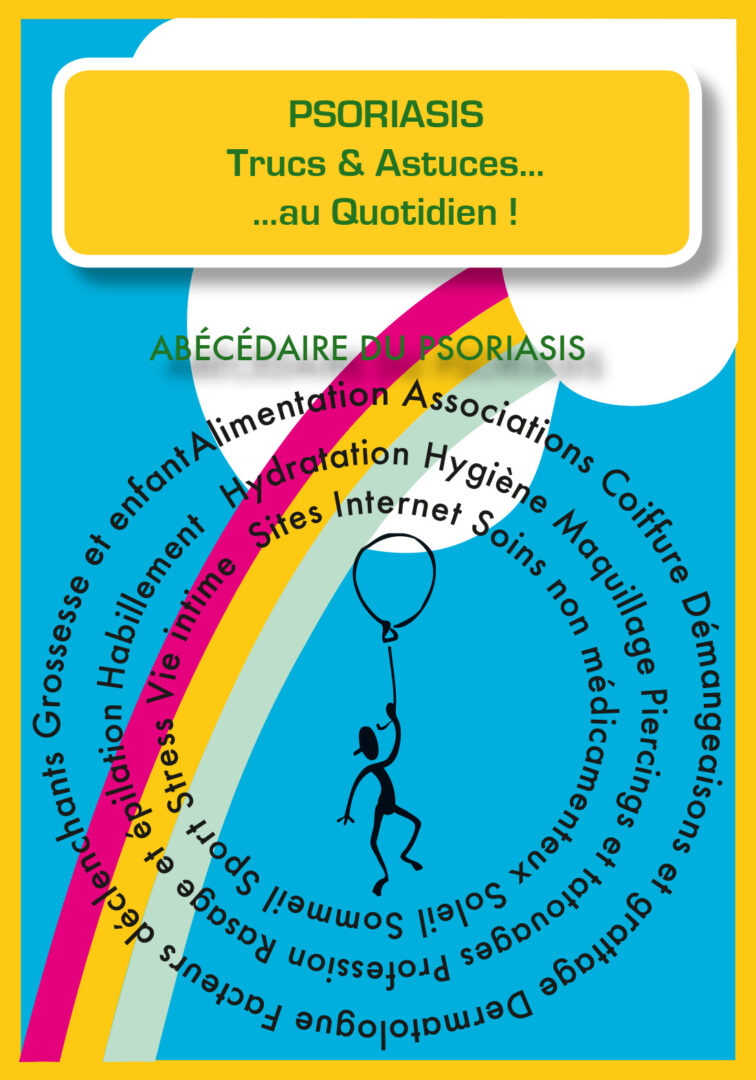
Psoriasis, l’abécédaire PsoriasisContact ASBL

Psoriasis Irish Skin Foundation
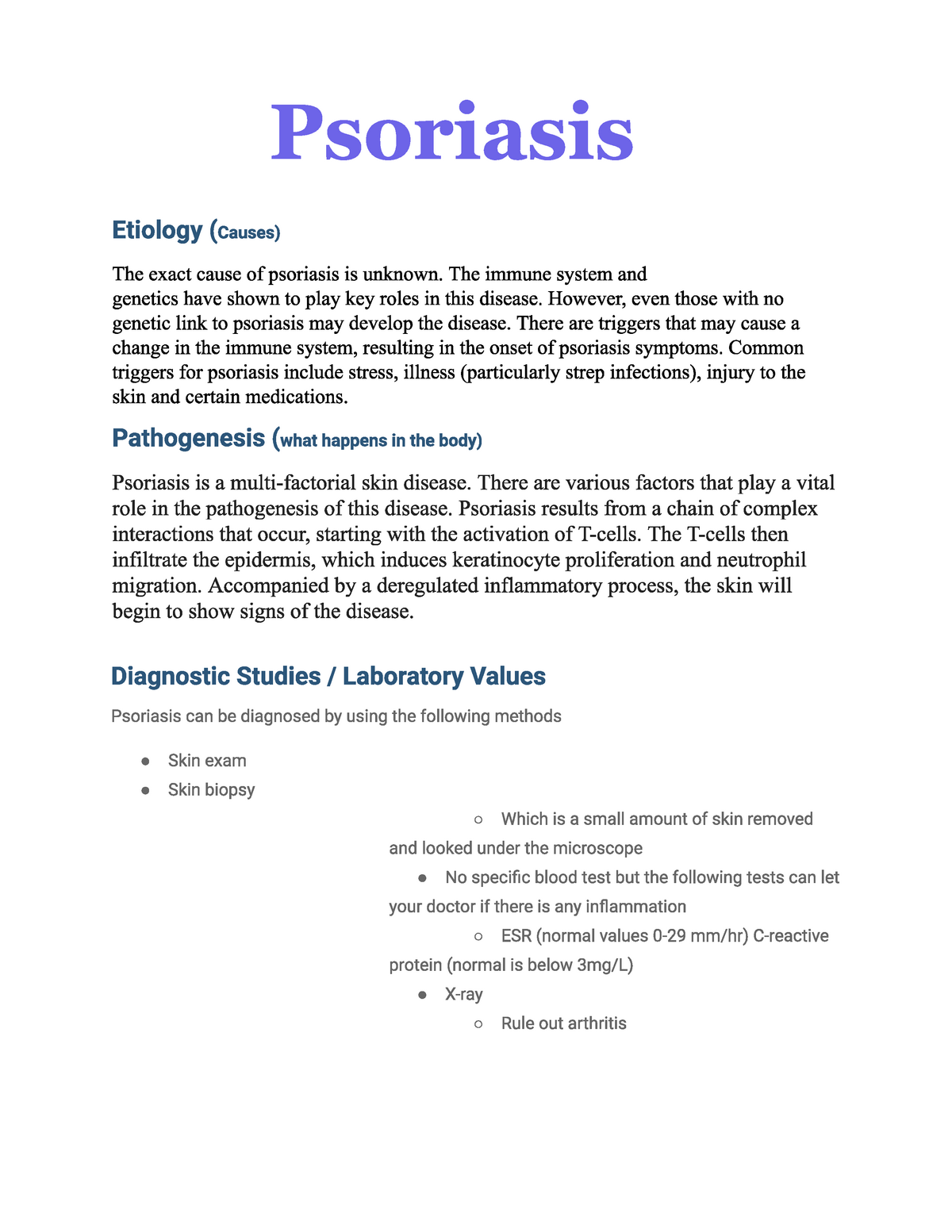
Psoriasis brochure med NUR 116 H1 Studocu
Blue and White Modern Medical Center Brochure 20240603 113527
Global Psoriasis Atlas GPA Resources
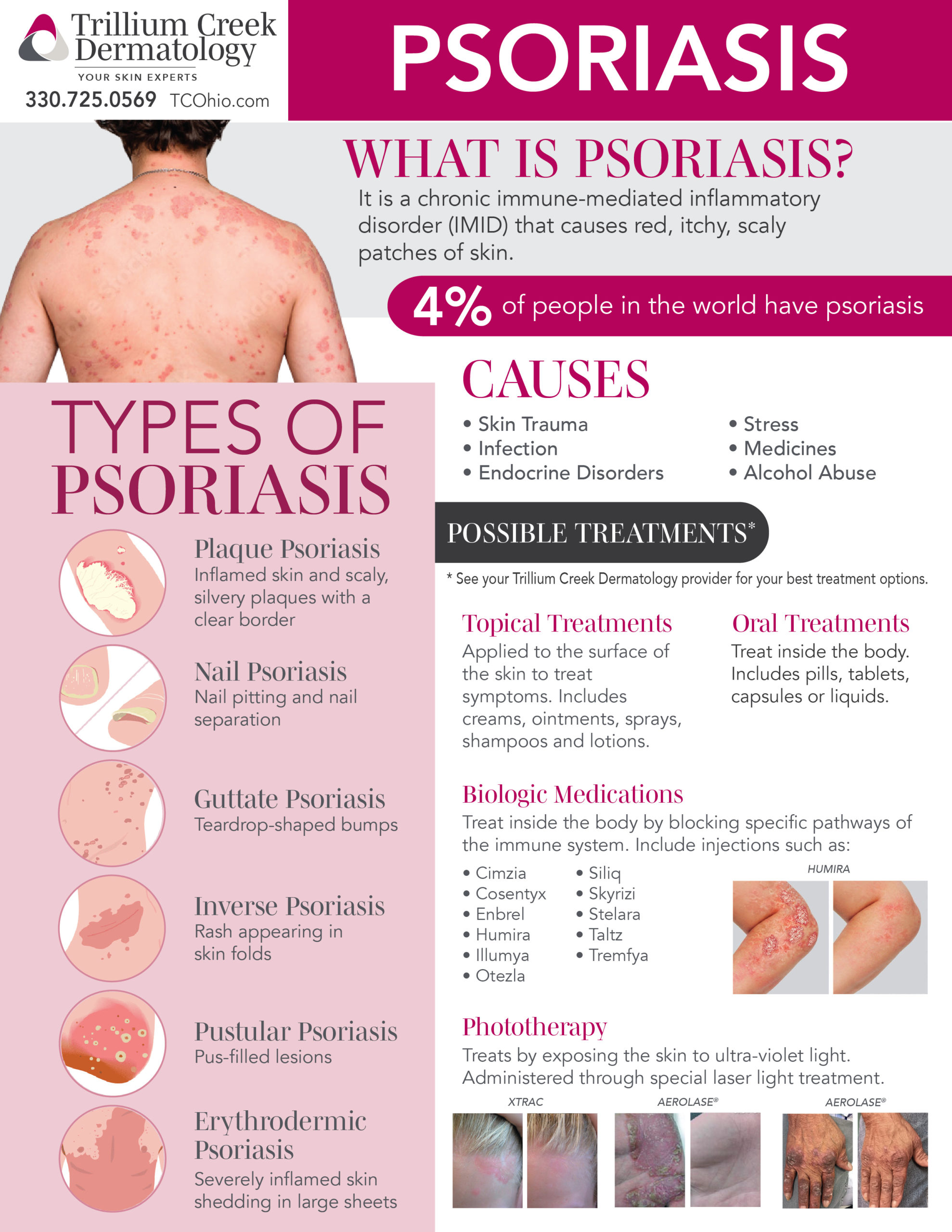
Psoriasis Near Me Ohio Trillium Creek Dermatology

Psoriasis PharmaLegacy Preclinical Pharmacology CRO

the words 10 ways to prevent pests naturally petsafe articles on blue
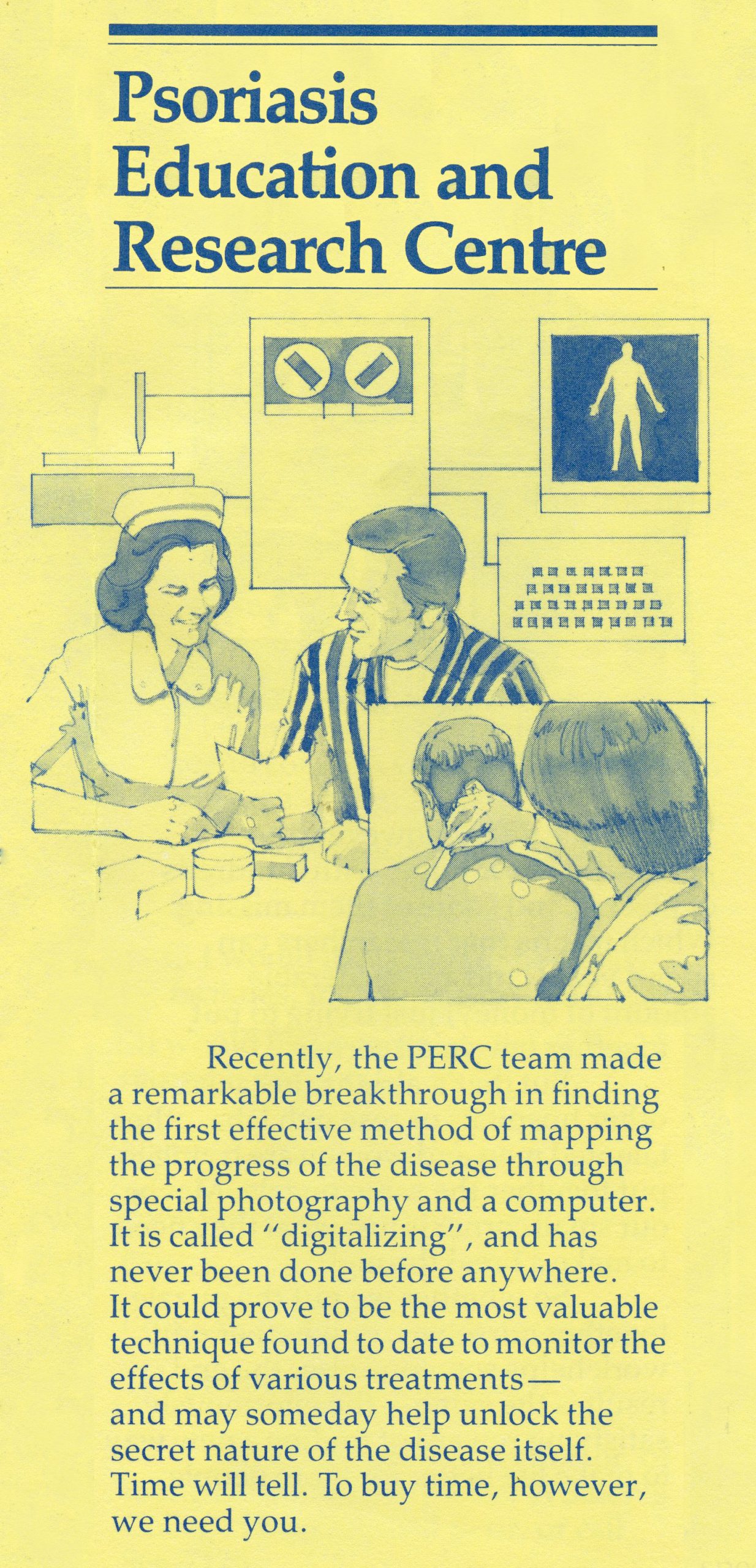
Fundraising Brochure for the Psoriasis Education and Research Centre
Find Expert Medical Advice About Psoriasis, Which Covers Everything From Whether Psoriasis Is Contagious And What Causes It To Treatment Options And Skin Care.
Psoriasis, Categorized As A Noncommunicable Disease (Ncd), Is A Chronic, Painful, Disfiguring And Disabling Disease For Which There Is No Cure.
This Causes Inflammation And Speeds Up The Growth Of New Skin Cells,.
It Negatively Impacts On Patients’ Quality Of Life.
Related Post:

