
Temperate Deciduous Forest Brochure
Temperate Deciduous Forest Brochure - The loss of leaves helps to minimize water loss during the poor growing. Document deciduous forest brochure.pdf, subject geography, from emerald high, length: They have fertile soils with a good. Temperate broadleaf deciduous forests where most trees lose their leaves in winter. In new hampshire's temperate deciduous forests, you'll find many species of insects, spiders, slugs, frogs, turtles, and salamanders. Temperate deciduous forests are rich ecosystems characterized by a diverse range of plant species. Temperate deciduous forests are most notable because they go through four seasons: Temperate deciduous forests are one of the most beautiful and diverse ecosystems on earth. Understanding these forests helps us appreciate. The temperate deciduous forest biome of north america occupies most of the eastern part of the united states and a small strip of southern ontario and quebec. Document deciduous forest brochure.pdf, subject geography, from emerald high, length: Temperate deciduous forests are one of the most beautiful and diverse ecosystems on earth. Leaves change color (or senesce) in autumn, fall off in the winter,. There is plenty of moisture and few long,. Deciduous forests are located in the earth’s temperate zones, where it is colder than the rain forests zones, but milder than the conifer forest zones. Temperate deciduous forests are vital for our planet. You will be designing a travel brochure to talk people into taking a trip to a biome of your choice. Sources deciduous forest biome temperate deciduous forest: Upland deciduous forests are areas not subject to flooding and with canopied trees that lose their leaves in the fall. The temperate deciduous forest biome of north america occupies most of the eastern part of the united states and a small strip of southern ontario and quebec. You will be designing a travel brochure to talk people into taking a trip to a biome of your choice. Deciduous forests are located in the earth’s temperate zones, where it is colder than the rain forests zones, but milder than the conifer forest zones. Temperate deciduous forests are vital for our planet. They have fertile soils with a good.. Leaves change color (or senesce) in autumn, fall off in the winter,. There is plenty of moisture and few long,. Temperate broadleaf deciduous forests where most trees lose their leaves in winter. They have fertile soils with a good. Sources deciduous forest biome temperate deciduous forest: They have fertile soils with a good. Temperate deciduous forests are rich ecosystems characterized by a diverse range of plant species. Sources deciduous forest biome temperate deciduous forest: Winter, spring, summer, and fall. Leaves change color (or senesce) in autumn, fall off in the winter,. Deciduous forests are located in the earth’s temperate zones, where it is colder than the rain forests zones, but milder than the conifer forest zones. 1) circle the time biome that the. The average temperature of a temperate deciduous forest is about 50°f (10°c), due to the rare extreme temperatures during the summer and winter. Temperate deciduous forests are one. Document deciduous forest brochure.pdf, subject geography, from emerald high, length: Winter, spring, summer, and fall. They have fertile soils with a good. They are known for their rich variety of trees, plants, and wildlife that change with the seasons. They provide oxygen, store carbon, and offer habitats for many species. Document deciduous forest brochure.pdf, subject geography, from emerald high, length: You will be designing a travel brochure to talk people into taking a trip to a biome of your choice. Deciduous forests are located in the earth’s temperate zones, where it is colder than the rain forests zones, but milder than the conifer forest zones. Leaves change color (or senesce). The temperate deciduous forest biome of north america occupies most of the eastern part of the united states and a small strip of southern ontario and quebec. 1) circle the time biome that the. They provide oxygen, store carbon, and offer habitats for many species. Sources deciduous forest biome temperate deciduous forest: Understanding these forests helps us appreciate. Temperate deciduous forests are one of the most beautiful and diverse ecosystems on earth. They have fertile soils with a good. You will be designing a travel brochure to talk people into taking a trip to a biome of your choice. Temperate deciduous forests are rich ecosystems characterized by a diverse range of plant species. The loss of leaves helps. You will be designing a travel brochure to talk people into taking a trip to a biome of your choice. Temperate deciduous forests are one of the most beautiful and diverse ecosystems on earth. Deciduous forests are located in the earth’s temperate zones, where it is colder than the rain forests zones, but milder than the conifer forest zones. Temperate. Upland deciduous forests are areas not subject to flooding and with canopied trees that lose their leaves in the fall. They provide oxygen, store carbon, and offer habitats for many species. They have fertile soils with a good. The average temperature of a temperate deciduous forest is about 50°f (10°c), due to the rare extreme temperatures during the summer and. Winter, spring, summer, and fall. Document deciduous forest brochure.pdf, subject geography, from emerald high, length: They have fertile soils with a good. The loss of leaves helps to minimize water loss during the poor growing. They provide oxygen, store carbon, and offer habitats for many species. Leaves change color (or senesce) in autumn, fall off in the winter,. Temperate deciduous forests are rich ecosystems characterized by a diverse range of plant species. The average temperature of a temperate deciduous forest is about 50°f (10°c), due to the rare extreme temperatures during the summer and winter. Temperate deciduous forests are one of the most beautiful and diverse ecosystems on earth. These forests, found in parts of north america, europe, and asia, experience distinct. The average temperature of all deciduous forests in. Temperate deciduous forests are most notable because they go through four seasons: They are known for their rich variety of trees, plants, and wildlife that change with the seasons. Understanding these forests helps us appreciate. There is plenty of moisture and few long,. In new hampshire's temperate deciduous forests, you'll find many species of insects, spiders, slugs, frogs, turtles, and salamanders.
Temperate Deciduous Forest Biome
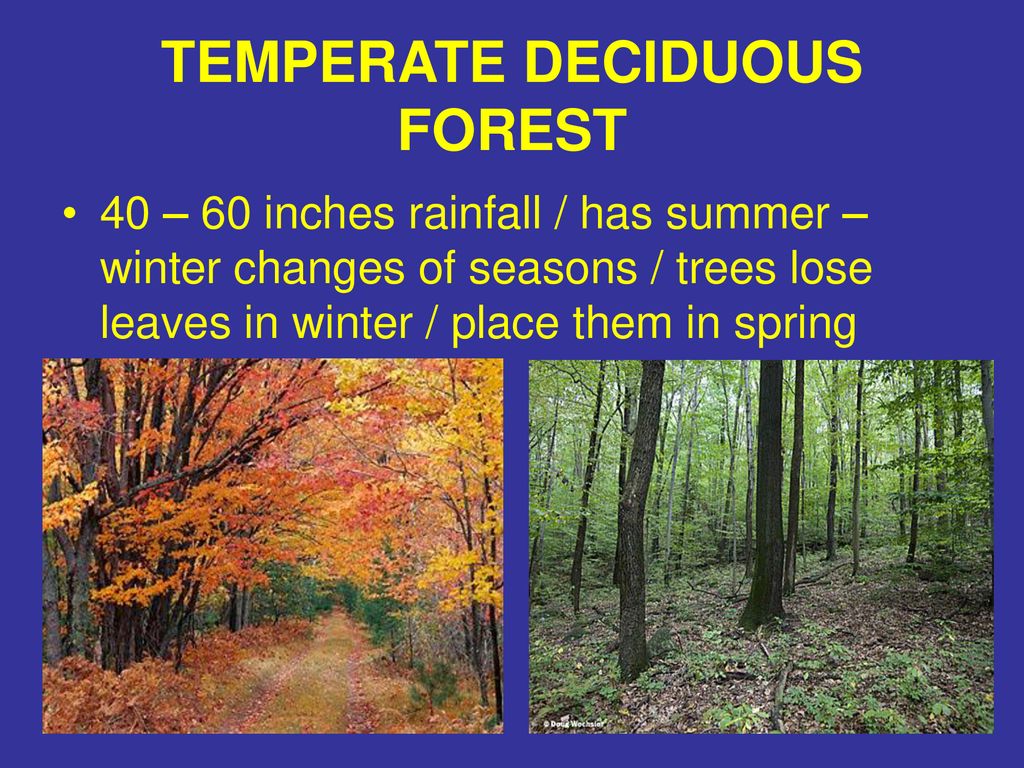
ANIMAL HABITATS Chapter ppt download
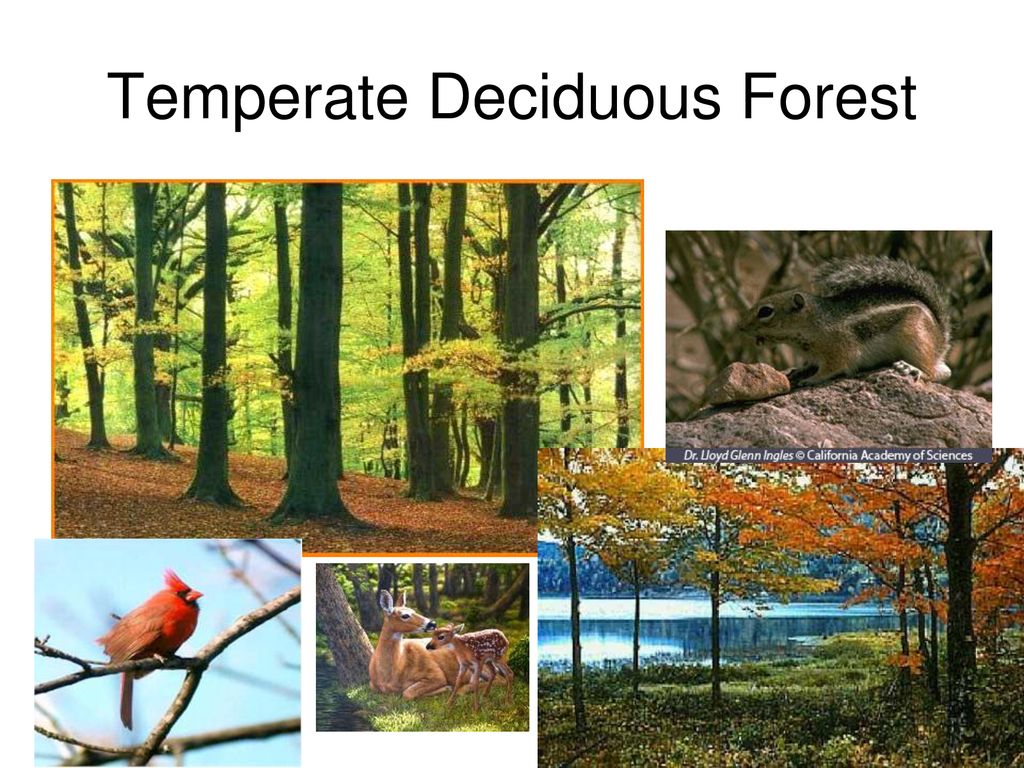
Biomes of the World Objective To learn the characteristics that make
Hannah's Temperate Broadleaf Forest Brochure Forests Trees

(PDF) Temperate Deciduous Forest · Temperate Deciduous Forest This
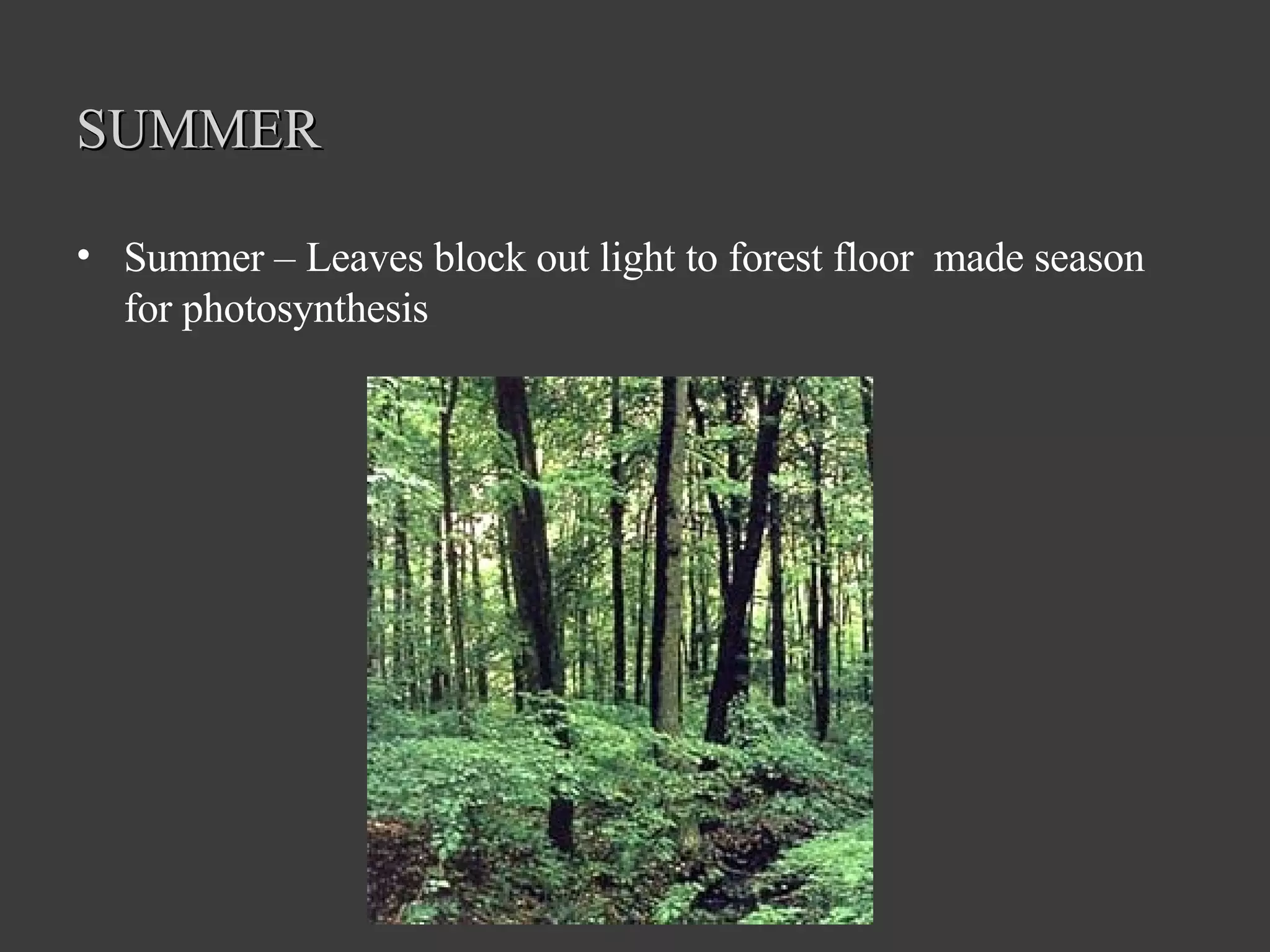
Temperate Deciduous Forest PPT
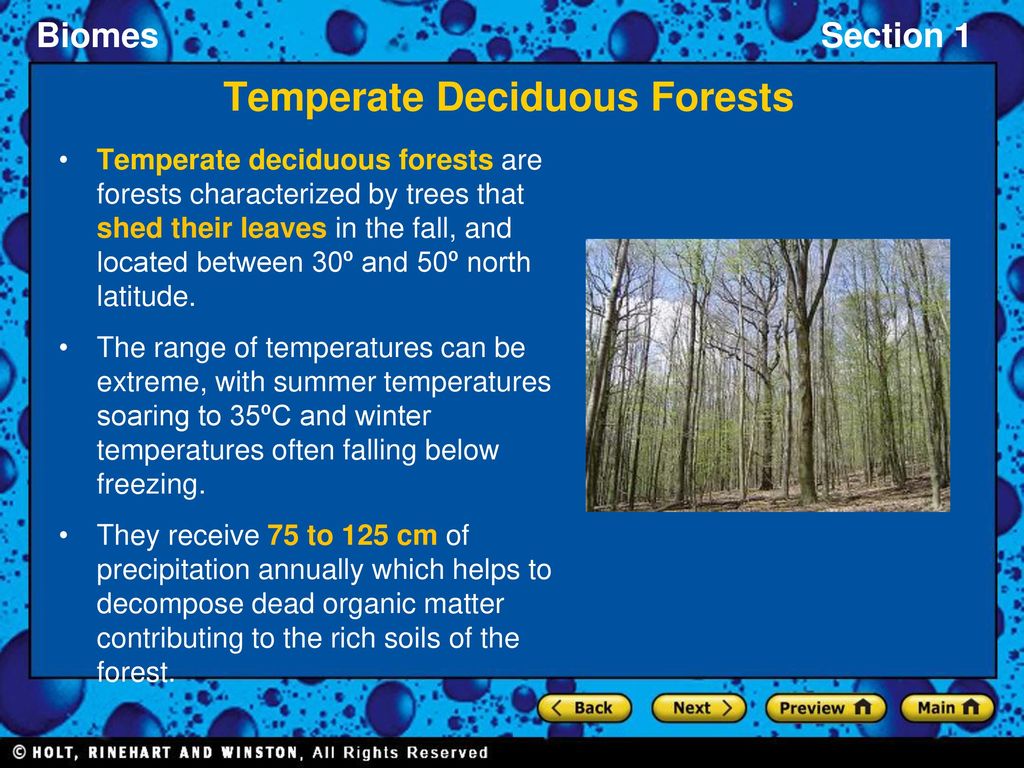
Section 1 What is a Biome? ppt download
What Are Temperate Deciduous Forests? Book by Heather Moore Niver Epic
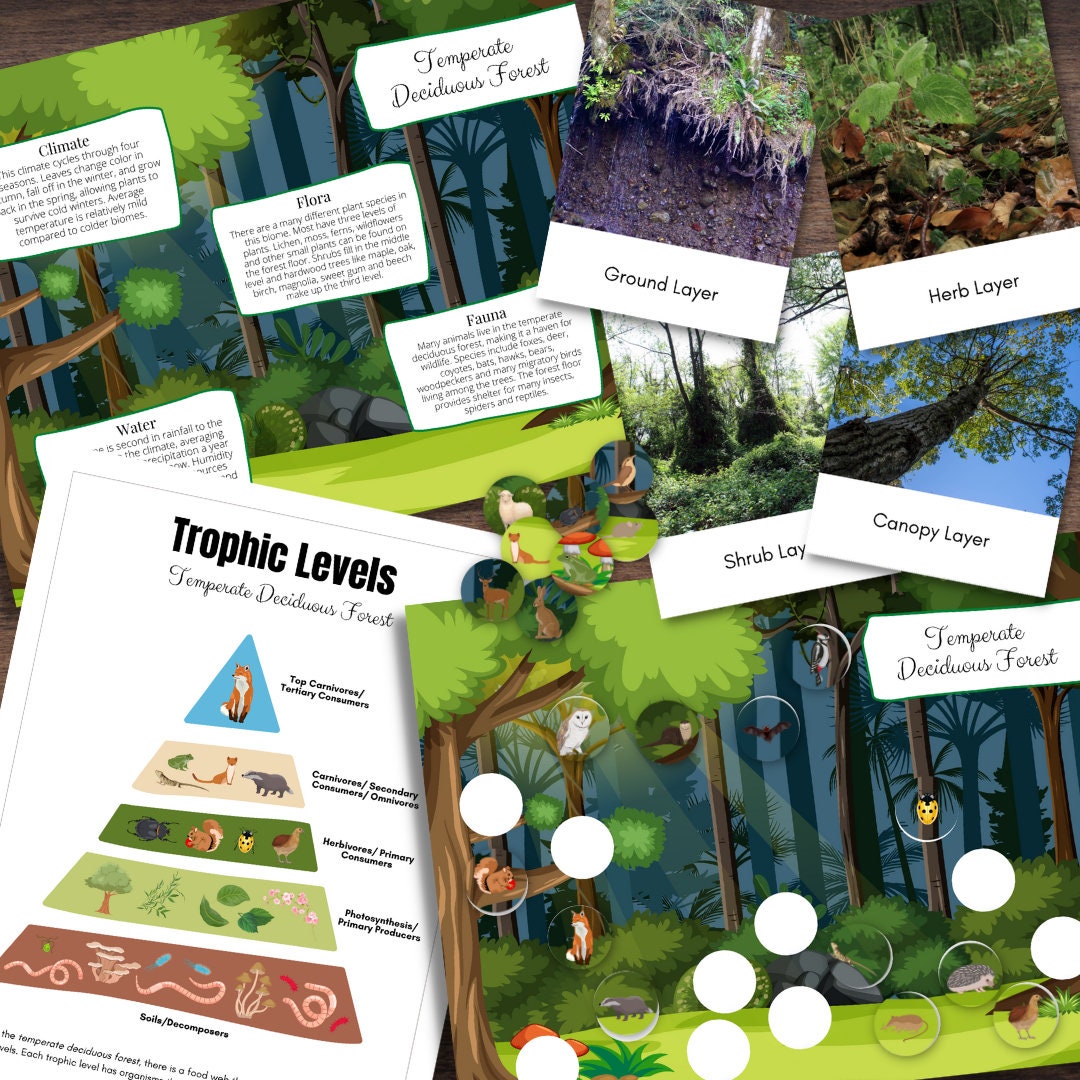
Temperate Deciduous Forest BIOME Habitat Matching Animal & Trophic

(DOC) Deciduous Forest Brochure part 1 DOKUMEN.TIPS
You Will Be Designing A Travel Brochure To Talk People Into Taking A Trip To A Biome Of Your Choice.
The Temperate Deciduous Forest Biome Of North America Occupies Most Of The Eastern Part Of The United States And A Small Strip Of Southern Ontario And Quebec.
Sources Deciduous Forest Biome Temperate Deciduous Forest:
Upland Deciduous Forests Are Areas Not Subject To Flooding And With Canopied Trees That Lose Their Leaves In The Fall.
Related Post:
