
Vitamin D Brochure
Vitamin D Brochure - But, in this review it was not possible to find a clear link between the benefits of. Soft or weak bones may occur in children with low vitamin d intake. Which foods have vitamin d? This guideline covers the assessment and treatment of adults with vitamin d deficiency. Severe and prolonged deficiency can cause bone mineralization diseases, such as rickets in. Vitamin d is an essential vitamin for everyone, to help develop and maintain healthy bones, teeth and muscles. Because of vitamin d’s importance throughout life, it generally makes more sense to follow the recommendations given in this pamphlet rather than having repeated blood tests. Vitamin d deficiency means that there is not enough vitamin d in your body. Vitamin d is necessary for normal calcium absorption and immune function. It works throughout the body in many tissues and organs, including. It works throughout the body in many tissues and organs, including. Vitamin d is essential for the formation, growth, and repair of bones. Babies and young children who don’t get enough vitamin d before they are born. Vitamin d summary this leaflet explains the importance of vitamin d for maintaining good bone health, and the changes to the availability of vitamin d supplements. Vitamin d deficiency results in abnormalities in calcium, phosphorous, and bone metabolism. Soft or weak bones may occur in children with low vitamin d intake. Severe and prolonged deficiency can cause bone mineralization diseases, such as rickets in. Which foods have vitamin d? Vitamin d is a nutrient found in some foods that is needed for health and to maintain strong bones. Broadly speaking, this can occur in three situations: It does so by helping the body absorb calcium (one of bone’s main building blocks). Babies and young children who don’t get enough vitamin d before they are born. Vitamin d is essential for the formation, growth, and repair of bones. Vitamin d deficiency results in abnormalities in calcium, phosphorous, and bone metabolism. This guideline covers the assessment and treatment. Vitamin d deficiency results in abnormalities in calcium, phosphorous, and bone metabolism. • the best food sources for vitamin d are fish oil (salmon, tuna, and mackerel), eggs, and organ meat (such as beef liver) • milk and cereal are fortified with vitamin. Browse the myplate collection of printable tip sheets and. Which foods have vitamin d? But, in this. Severe and prolonged deficiency can cause bone mineralization diseases, such as rickets in. Increased need for vitamin d • growing children, pregnant. Vitamin d is a nutrient found in some foods that is needed for health and to maintain strong bones. Vitamin d is necessary for normal calcium absorption and immune function. Vitamin d helps bone health by promoting calcium. It does so by helping the body absorb calcium (one of bone’s main building blocks). Why do i need vitamin d? Vitamin d deficiency means that there is not enough vitamin d in your body. In this research, the panel recognized that a normal vitamin d status is needed for good health. Increased need for vitamin d • growing children,. It does so by helping the body absorb calcium (one of bone’s main building blocks). Browse the myplate collection of printable tip sheets and. Because of vitamin d’s importance throughout life, it generally makes more sense to follow the recommendations given in this pamphlet rather than having repeated blood tests. Vitamin d is necessary for normal calcium absorption and immune. Soft or weak bones may occur in children with low vitamin d intake. This guideline covers the assessment and treatment of adults with vitamin d deficiency. Broadly speaking, this can occur in three situations: It works throughout the body in many tissues and organs, including. Because of vitamin d’s importance throughout life, it generally makes more sense to follow the. Vitamin d deficiency means that there is not enough vitamin d in your body. People can make vitamin d in their bodies by exposure to sunlight. Soft or weak bones may occur in children with low vitamin d intake. Why do i need vitamin d? Vitamin d is essential for the formation, growth, and repair of bones. Why do i need vitamin d? It does not include pregnant women, children or patients with renal failure (<30ml egfr. Vitamin d helps bone health by promoting calcium uptake and maintaining enough calcium and phosphorus for bone growth and bone replacement. Vitamin d deficiency means that there is not enough vitamin d in your body. Vitamin d is an essential. Vitamin d is necessary for normal calcium absorption and immune function. It also improves muscle strength and helps. This guideline covers the assessment and treatment of adults with vitamin d deficiency. It works throughout the body in many tissues and organs, including. Doctors have known for years that no one can make strong bones without vitamin d. Vitamin d is a nutrient found in some foods that is needed for health and to maintain strong bones. • the best food sources for vitamin d are fish oil (salmon, tuna, and mackerel), eggs, and organ meat (such as beef liver) • milk and cereal are fortified with vitamin. Severe and prolonged deficiency can cause bone mineralization diseases, such. Babies and young children who don’t get enough vitamin d before they are born. What is vitamin d and what does it do? Doctors have known for years that no one can make strong bones without vitamin d. It does not include pregnant women, children or patients with renal failure (<30ml egfr. Vitamin d helps bone health by promoting calcium uptake and maintaining enough calcium and phosphorus for bone growth and bone replacement. Vitamin d is an essential vitamin for everyone, to help develop and maintain healthy bones, teeth and muscles. Because of vitamin d’s importance throughout life, it generally makes more sense to follow the recommendations given in this pamphlet rather than having repeated blood tests. It does so by helping the body absorb calcium (one of bone’s main building blocks). Vitamin d regulates bone homeostasis, 1 and epidemiologic studies suggest that lower vitamin d levels may be associated with increased risk of rtis, cardiovascular disease,. Browse the myplate collection of printable tip sheets and. Soft or weak bones may occur in children with low vitamin d intake. Severe and prolonged deficiency can cause bone mineralization diseases, such as rickets in. In this research, the panel recognized that a normal vitamin d status is needed for good health. Vitamin d is a nutrient found in some foods that is needed for health and to maintain strong bones. • the best food sources for vitamin d are fish oil (salmon, tuna, and mackerel), eggs, and organ meat (such as beef liver) • milk and cereal are fortified with vitamin. Increased need for vitamin d • growing children, pregnant.
Sources of Vitamin D Handout — Functional Health Research + Resources

Vitamin D Brochure

Vitamin D Flyer by joel mutia at
Vitamin D Brochure PDF Vitamin D Vitamin
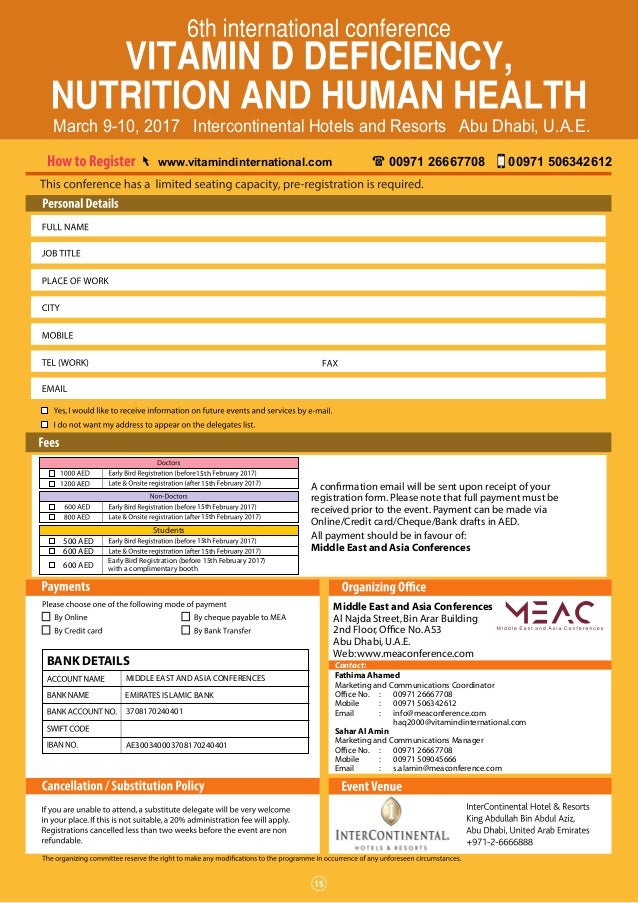
VITAMIN D DEFICIENCY, NUTRITION, AND HUMAN HEALTH BROCHURE (6)

Brochures and Promotional (Regularly Updated) on Behance
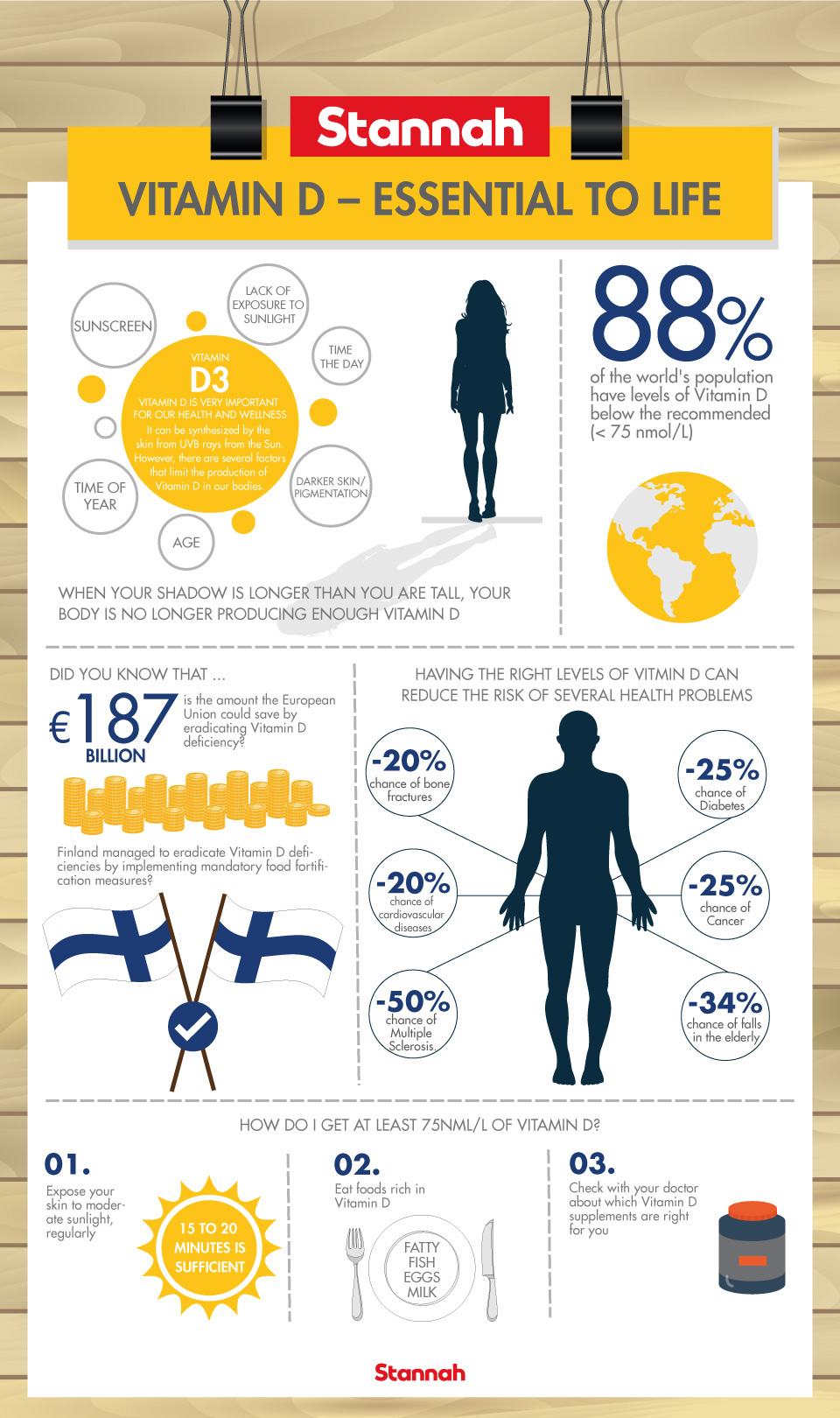
Vitamin D the sunshine vitamin Stannah

VITAMIN D DEFICIENCY, NUTRITION, AND HUMAN HEALTH BROCHURE (6)
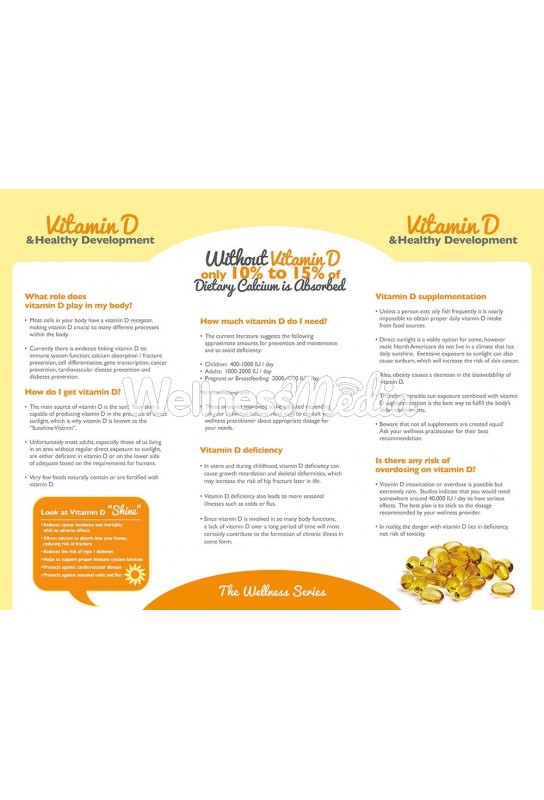
Vitamin D Brochure

Vitamin D Sufficiency™ Brochure pack of 50 The Wellness Practice
It Works Throughout The Body In Many Tissues And Organs, Including.
Vitamin D Deficiency Means That There Is Not Enough Vitamin D In Your Body.
It Also Improves Muscle Strength And Helps.
Broadly Speaking, This Can Occur In Three Situations:
Related Post:
